
Consumers across the board continue to fuel the ongoing health and wellness craze. From Pilates and weightlifting to high-protein diets and functional drinks, it’s an industry that continues to respond to market demands. Among the many facets contributing to the fast-growing sector is the rise of nutraceuticals and dietary supplements. With U.S. revenue estimated at more than $160 billion annually, this wide array of wellness products, such as vitamins, supplements, protein powders, and functional foods has led to a subsequent spur in nutraceutical packaging needs.
Aside from rising popularity, nutraceuticals invite an interesting conversation for those operating in the packaging industry. Falling somewhere between food, beverage, and pharmaceuticals, these products strike a unique balance between compliance, user-friendliness, and sustainability. Join us as we explore how Pipeline Packaging is meeting the needs of our wellness customers.
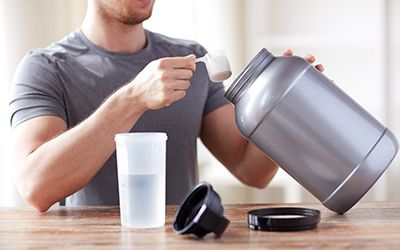
A Quick Guide to Nutraceuticals
Nutraceuticals provide additional wellness support by supplementing particular nutrients to an individual beyond typical dietary consumption. Reasons for implementing these vitamins and supplements range from combatting deficiencies to enhancing your well-being. Despite the emphasis on improved health, nutraceuticals are not categorized as pharmaceutical products.
Jason Nicolli, vice president of sales at Pipeline Packaging, brings a robust background in the packaging industry that ranges from rigid systems to corrugated containers. He shared his expertise on this growing sector and what nutraceutical companies must consider when storing their products.
“Compared with pharmaceuticals, many U.S. nutraceutical and dietary supplement products face lighter premarket review,” said Nicolli. “The FDA generally does not approve dietary supplements or their labeling before sale, but manufacturers remain responsible for product safety, truthful labeling, cGMP compliance claims, and good manufacturing practices.
“New dietary ingredients may require FDA notification before marketing, and certain structure or function claims require FDA notification after marketing,” he added. “That regulatory distinction can make the category more flexible than pharmaceuticals, while still requiring careful attention to labeling, product integrity, tamper evidence, child resistance where applicable, and dosage communication.”
Given that many nutraceuticals incorporate recognized and pre-approved ingredients, the FDA regulates these goods by requiring transparent ingredient labels and tracking consumer experiences in the post-market. That regulatory distinction makes it more flexible for sellers to participate in the industry.
Even with subdued regulatory pressures, companies have other factors to consider with their nutraceutical packaging.
“For consumer products, shelf-appeal can be a major differentiator,” said Nicolli. “Successful players leverage nutraceutical packaging labels, easy-to-use dispensers, or unique bottle selections to capture consumers’ attention and differentiate their products from the competition.”
Pipeline Packaging’s role as the comprehensive packaging partner goes beyond our robust inventory of products. We also support customers through a suite of value-added services that include custom design, where our experts can provide in-house labeling and design services. By extending our capacity, we give customers the opportunity to enhance operational efficiency while elevating their brand awareness.
Aside from visual appeal, packaging for nutraceuticals and dietary supplements must also take other considerations into account. While not as sensitive as a pharmaceutical or as fresh as food, these packaging systems need to preserve the potency of stored nutrients to provide the most benefit to the consumer. Other measures may include barriers to prevent tampering, accidental access by children, and even precise dosage capabilities.
Popular Nutraceutical Packaging Systems
With the primary needs of nutraceutical packaging in mind, it may come as no surprise that many systems closely resemble pharmaceutical products. Plastics, particularly HDPE and PET, offer secure barrier protection to stored goods, barring them from exposure to oxygen, moisture, and in some cases, light. Besides compatibility, they are also more cost-effective, both in their manufacturing process as well as reduced freight costs from their lightweight composition.
Plastic nutraceutical packaging can take a variety of forms. Traditional four-ounce HDPE round packer bottles to clear PET round jars are usually the first images that come to mind when you think of wellness products in your local grocery aisle.
Sustainability has been another key topic in the nutraceutical packaging conversation. Diverging from plastic options, some customers have set their sights on glass bottle and jar alternatives. Glass offers similar properties to plastic packaging, including an impermeable barrier, UV blocking, and heightened shelf stability.
Though HDPE and PET can be more cost-effective, glass bottles and jars can also offer a premium appeal while minimizing environmental impacts. Other environmentally friendly options like PCR can strike a unique balance, giving customers similar benefits as new HDPE and PET plastics with a more eco-friendly approach.
In terms of closures, many companies will incorporate child-resistant caps, heat seal liners, and other caps that provide heightened security measures. More specialized products, such as liquid supplements, may integrate closures that assist in precise dosing, like glass droppers and plastic pumps.
Even with these options, other nutraceutical packaging innovations are making their way in the marketplace.
“Many nutraceutical brands are expanding their use of flexible packaging, including resealable gusseted pouches, stick packs, and pre-dosed sachets, especially for on-the-go, single-serve, and e-commerce-friendly products,” said Nicolli. “While rigid bottles and jars remain common, flexible formats are gaining momentum as brands look for convenient, lightweight, and space-efficient options.
“Consumers appreciate the convenience of resealable gusseted pouches, pre-dosed sachets, and others,” he added. “These packaging innovations complement users with on-the-go lifestyles, minimizing product footprints and simplifying access to helpful nutrients.”
Whether a customer is looking for a standard rigid packer bottle or advanced flexible pouches, Pipeline can accommodate any nutraceutical packaging needs through our network of more than 400 global manufacturers and distributors. We leverage our nimbleness as a distributor to supply the perfect solution or to explore burgeoning innovations.
“We go beyond stocking and supplying packaging for our customers,” said Nicolli. “We strive to be a comprehensive packaging consultant, lending our every resource to the success of our customers. That commitment might look like facilitating a switch from glass to plastic alternatives, down to providing recommendations that better suit consumer packaging expectations.”
Pipeline Prioritizes Customers through Continuous Education
Whether it’s industrial or nutraceutical packaging, Pipeline remains focused on helping customers find the right comprehensive solution. Part of that mission relies on offering the breadth of choice by continually searching for high-quality, innovative, and cost-effective products to include in our inventory.
Another key pillar is rooted in our complete suite of value-added services, which help augment productivity, streamline operations, and reduce costs. Among them is Just-In-Time (JIT) delivery, a promise we extend through warehousing and logistics services, to ensure you receive the components you need — exactly when you need them. Others, like inventory management, allow us to determine optimal safety stock, prevent overstocking, and reduce lead-time variability for even the most uncommon nutraceutical packaging systems.
“We want customers to trust us as their packaging partner,” said Nicolli. “That’s why it’s critical to constantly hone our capabilities and industry knowledge through every possible avenue so we can make their business operations as easy as possible and give them assurance in our counsel.”
Pipeline continues to strengthen new and ongoing customer relationships by investing in new technologies as well as continuing education efforts for its entire team.
“Pipeline services several customers focused on consumer goods,” said Nicolli. “As part of our responsibility to that segment, we are providing continuing education to update our team on the latest packaging products, regulatory standards, and consumer motivations related to industries like nutraceutical packaging.”
Efforts like these are not one-off events for Pipeline. Instead, they are another vital component in our ability to serve customers in every industry. By staying abreast of the latest packaging conversations, we can ensure that we can fulfill the needs of customers today and tomorrow.
“Pipeline curates a company culture where every employee is focused on the same goal,” said Nicolli. “As a distributor, we have the flexibility to make quick decisions, think outside the box, and mobilize in the direction that works best for our customers.”
Looking to enter the wellness space? Contact us today to explore a complete spectrum of nutraceutical packaging options.